
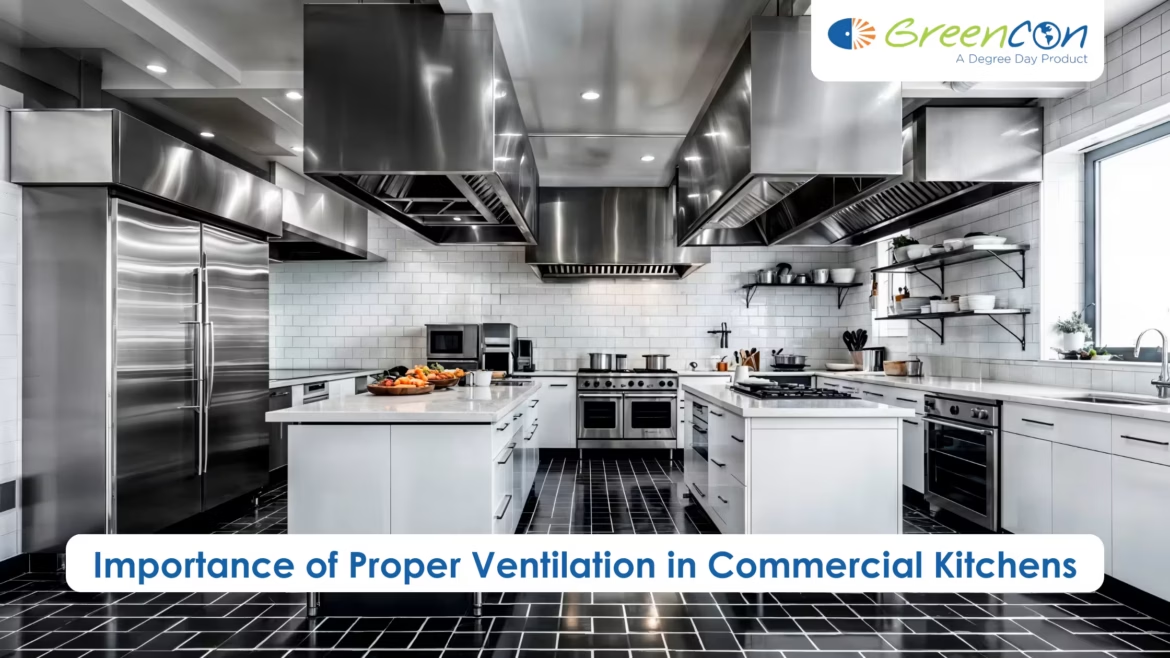
Proper ventilation is one of the most critical yet often overlooked elements of a commercial kitchen. Whether it is a restaurant, hotel kitchen, cloud kitchen, industrial canteen, or food court, an efficient ventilation system directly impacts safety, hygiene, energy efficiency, staff productivity, and regulatory compliance.
In this blog, we explain why proper ventilation is essential in commercial kitchens, how it affects daily operations, and what businesses should consider while designing a compliant system.
Read – Best HVAC Solutions for Warehouses and Factories
What is Commercial Kitchen Ventilation?
Commercial kitchen ventilation refers to a system of exhaust hoods, ducting, exhaust fans, and fresh air supply designed to remove:
– Excess heat
– Smoke and steam
– Grease-laden vapors
– Odors and harmful gases
A well-designed ventilation system ensures clean air inside the kitchen while maintaining pressure balance with surrounding spaces.
1. Fire Safety and Risk Reduction
Commercial cooking produces highly flammable grease vapors. Without proper ventilation, grease accumulates inside hoods and ducts, significantly increasing the risk of kitchen fires.
Proper ventilation:
✓ Captures grease at the source using baffle filters
✓ Reduces grease buildup in ducts
✓ Supports integration of fire suppression systems
This is why fire authorities mandate fire-rated ducting and mechanical exhaust systems for commercial kitchens.
2. Heat Control and Staff Comfort
Kitchens generate intense heat from cooking equipment like fryers, ranges, ovens, and tandoors. Poor ventilation leads to uncomfortable working conditions, fatigue, and reduced productivity.
An effective ventilation system:
✓ Removes excess heat
✓ Maintains manageable kitchen temperatures
✓ Improves working conditions for chefs and kitchen staff
Comfortable staff work more efficiently and make fewer errors during peak hours.
3. Indoor Air Quality and Health
Cooking releases pollutants such as carbon monoxide, nitrogen dioxide, and fine particulate matter. Continuous exposure to these pollutants can affect staff health.
Proper ventilation helps:
✓ Remove harmful gases
✓ Reduce respiratory discomfort
✓ Maintain healthy indoor air quality
This is especially important in cloud kitchens and enclosed commercial spaces.
4. Hygiene and Food Safety Compliance
As per FSSAI Schedule 4, kitchens must have adequate ventilation to prevent smoke, condensation, and grease droplets from contaminating food.
A compliant ventilation system:
✓ Prevents oil and water from dripping onto food preparation areas
✓ Reduces odor buildup
✓ Supports hygienic cooking conditions
Poor ventilation is a common reason for FSSAI non-compliance and inspection failures.
5. Odor Control and Customer Experience
Uncontrolled cooking odors can travel to dining areas, corridors, or neighboring properties, negatively impacting customer experience and brand image.
Proper ventilation:
✓ Contains odors within the kitchen
✓ Protects dining and public spaces
✓ Is essential for restaurants, hotels, and mixed-use buildings
6. Energy Efficiency and Cost Savings
When ventilation is poorly designed, kitchens lose conditioned air, leading to higher energy consumption.
A well-planned system:
✓ Balances exhaust and fresh air
✓ Reduces unnecessary load on air cooling systems
✓ Lowers long-term energy and maintenance costs
7. Regulatory Compliance (NBC, FSSAI & Fire Norms)
In India, commercial kitchen ventilation must comply with:
✓ National Building Code (NBC)
✓ FSSAI food safety regulations
✓ Local fire authority norms
Proper ventilation ensures:
✓ Faster approvals
✓ Smooth fire NOC and license renewals
✓ Safe and legally compliant operations
How Degree Day Provides End-to-End Ventilation Solutions for Commercial Kitchens
Degree Day Pvt. Ltd. provides comprehensive ventilation solutions for commercial kitchens, enabling restaurants, hotels, cloud kitchens, and industrial canteens to maintain a safe and comfortable working environment. Proper kitchen ventilation is essential for removing heat, smoke, grease, and odors. We design systems that do exactly that efficiently and reliably.
With over 26 years of experience and ISO 9001:2015 certification, we handle everything from ventilation system design to installation and execution. In our commercial kitchen ventilation systems, we use high-quality MS ducts that can withstand high cooking temperatures and improve fire safety, and we also install powerful exhaust systems that capture smoke and grease at the source, keeping the kitchen air clean and fresh.
By reducing heat buildup, improving indoor air quality, and supporting safety compliance, Degree Day’s kitchen ventilation solutions help commercial kitchens operate smoothly, safely, and efficiently every day.
Frequently Asked Questions
Proper ventilation removes heat, smoke, grease, and harmful gases, ensuring fire safety, hygiene, staff comfort, energy efficiency, and regulatory compliance.
Poor ventilation can lead to fire hazards, health issues for staff, odor spread, reduced productivity, equipment damage, and non-compliance with FSSAI and fire safety regulations.
FSSAI mandates that kitchens must have adequate ventilation to prevent smoke, grease, and condensation from contaminating food. A compliant system helps pass inspections and maintain hygiene standards.
A standard system includes exhaust hoods, ducting, exhaust fans, fresh air supply, grease filters, and sometimes fire suppression systems, all designed to maintain air quality and safety.
Ensure the system aligns with NBC air changes per hour, FSSAI hygiene requirements, and local fire safety norms, including proper ducting, exhaust capacity, hood coverage, and fresh air supply.